

Ever thought about diving into the world of radiology without the years of medical school? If so, radiology tech aide jobs might just be your golden ticket. Picture this: you get to work alongside skilled professionals, assisting in the intriguing realm of medical imaging, all while being the unsung hero behind the scenes. Plus, you might just impress your friends with your knowledge of X-rays and MRIs. Let’s take a closer look at what it means to be a radiology tech aide, making sure you know all the ins and outs of this rewarding role.
What Is a Radiology Tech Aide?
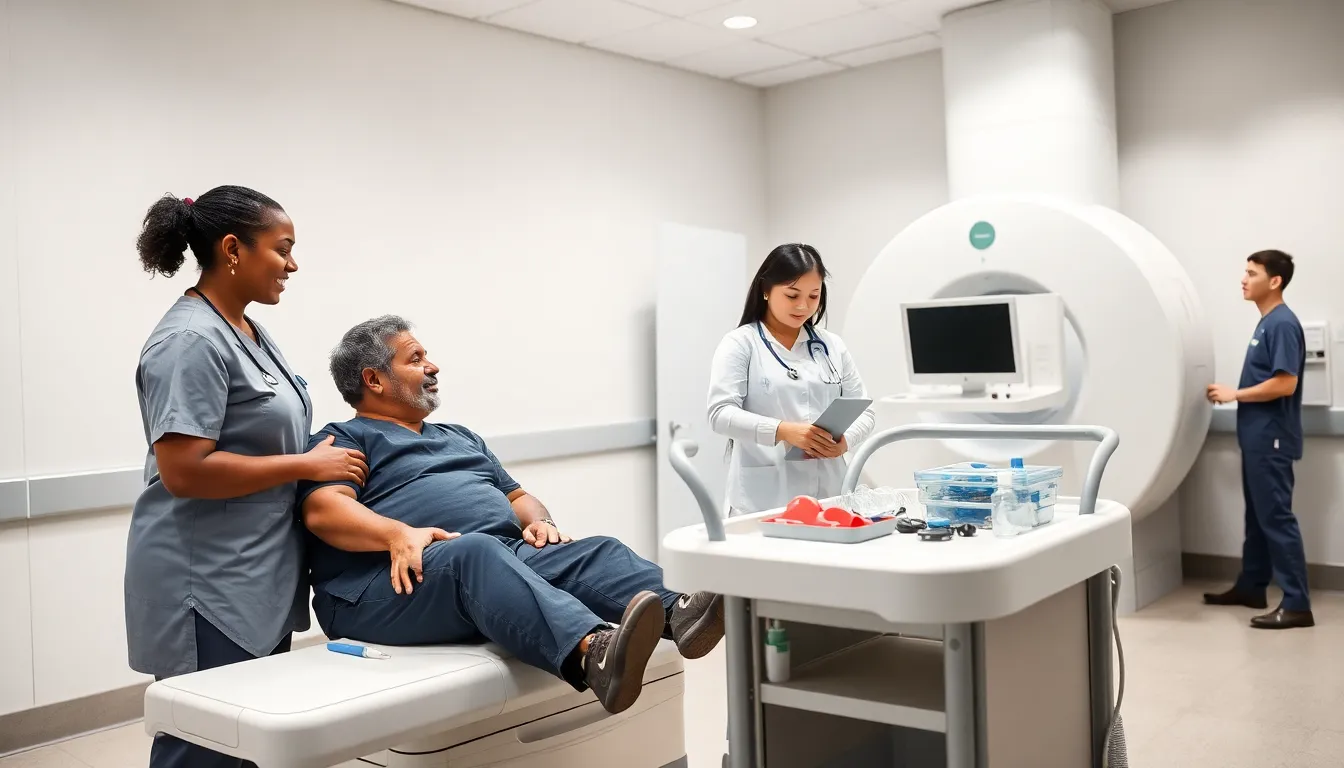
A radiology tech aide, or radiology assistant, plays a crucial role within the medical imaging team. This position typically requires the individual to support radiologic technologists by preparing patients for imaging procedures, ensuring the area is properly sterile, and even managing equipment. It’s an essential role that helps the whole medical imaging process run smoothly.
Also, radiology tech aides often engage with patients directly, explaining procedures and answering questions, which can help reduce patient anxiety. With the healthcare industry constantly evolving, becoming a tech aide offers a unique blend of patient interaction and technical skills.
Key Responsibilities of a Radiology Tech Aide
Radiology tech aides have a variety of responsibilities that keep them busy within a healthcare setting. Here are some of the key tasks they generally tackle daily:
- Patient Preparation: Ensuring that patients are appropriately prepared for their imaging procedures. This includes explaining the process and answering any questions.
- Equipment Maintenance: Assisting in the cleaning and maintenance of imaging equipment to ensure everything is functioning well and remains safe for use.
- Record Keeping: Updating patient records and entering data into imaging systems is a critical aspect of the job. They have to keep everything organized to avoid mix-ups.
- Supporting Technologists: They assist radiologic technologists during procedures by handling equipment, positioning patients, and ensuring a smooth workflow.
These responsibilities underscore the importance of teamwork and communication in a radiology department.
Qualifications and Skills Required
To embark on a career as a radiology tech aide, certain qualifications and skills are beneficial. While the specific requirements can vary by employer, there are some common elements to consider:
- Education: Typically, a high school diploma or equivalent is necessary. Some positions may also require an associate’s degree in radiologic technology or a related field.
- Certifications: Although not always mandatory, obtaining certification in CPR and basic radiography can enhance job prospects.
- Communication Skills: Being able to explain procedures to patients clearly is essential, as is the ability to work in a team with radiologists and technologists.
- Attention to Detail: Radiology tech aides must be detail-oriented to ensure patient safety and accuracy in record-keeping.
These qualifications lay a solid foundation for a successful career in radiology.
Job Outlook and Salary Expectations
The job outlook for radiology tech aides is promising, reflecting the broader demand for healthcare professionals. According to the Bureau of Labor Statistics, the employment rate for radiologic technologists is expected to grow due to an aging population and advancements in medical imaging technology.
As for salary, radiology tech aides can expect a competitive pay range. On average, salaries typically fall between $30,000 and $50,000 annually, depending on factors such as location, experience, and specific workplace settings. Regions with a higher cost of living may offer increased compensation to attract skilled aides.
Work Environment and Conditions
Radiology tech aides usually work in hospitals, clinics, or diagnostic imaging centers. Their work environment is typically fast-paced and requires being on their feet for extended periods. They might encounter various scenarios, from assisting in emergency situations to working with patients who have varying levels of mobility.
Ensuring safety and hygiene is crucial in their role: hence, they must adhere to strict protocols to maintain a sterile environment. Also, they often work closely with ionizing radiation, so understanding safety measures is vital to their job.
Career Advancement Opportunities
Starting as a radiology tech aide can open doors to numerous career advancement opportunities within the healthcare sector. With further education and experience, they can pursue roles such as:
- Radiologic Technologist: Many aides choose to continue their education and become licensed radiologic technologists, who perform the imaging procedures themselves.
- Specialization: Opportunities for specialization into areas such as MRI technologist, ultrasound technician, or mammography technologist are available.
- Management Roles: With experience, some aides move into supervisory or management positions within imaging departments.
These paths not only enhance earning potential but also offer diverse opportunities for personal and professional growth.
How to Find Radiology Tech Aide Positions
Finding radiology tech aide positions requires a combination of research and networking. Here are some practical tips:
- Online Job Boards: Websites like Indeed, LinkedIn, and Glassdoor regularly list openings for radiology tech aides.
- Healthcare Job Fairs: Attending local job fairs can put individuals in direct contact with employers seeking to hire.
- Networking: Connecting with professionals in the field through social media platforms or local health organizations can provide insights into upcoming job openings.
- Internships and Volunteer Work: Gaining hands-on experience through internships can enhance a resume and assist in building connections within the industry.
Utilizing these strategies can significantly improve one’s chances of securing a desirable position.


