
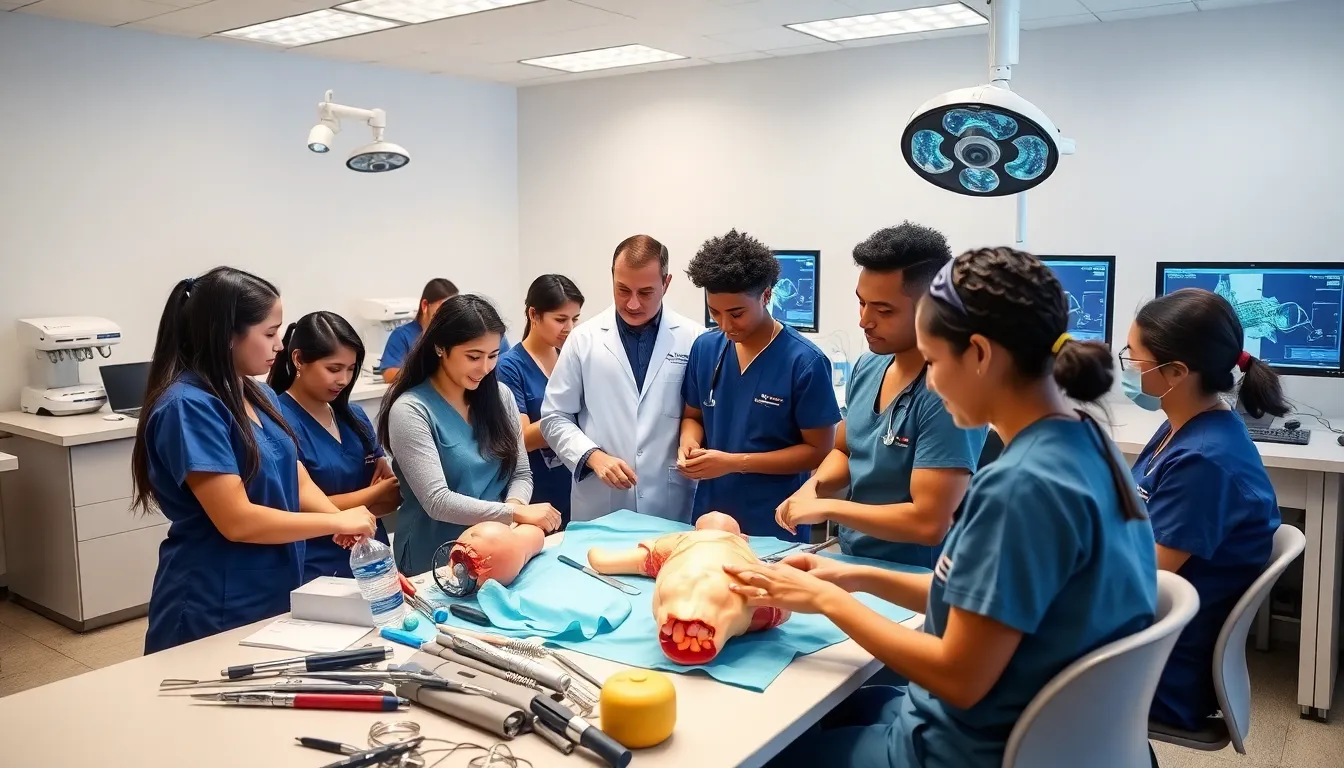
Are you ready to wield the scalpel of your future? Surgical tech programs in Houston offer a golden opportunity for those eager to jump into the bustling world of healthcare. Picture this: a vibrant city filled with advanced medical facilities, state-of-the-art technology, and an ever-growing need for skilled surgical technicians. Buckle up, because this isn’t just your average career option: it’s a chance to be at the forefront of life-saving procedures and make a real impact in people’s lives. Let’s explore what it takes to become one of the unsung heroes in the operating room.
Overview of Surgical Technology

Surgical technology is a field dedicated to preparing operating rooms, ensuring the sterile environment is up to par, and assisting surgeons during procedures. These professionals, often dubbed surgical technologists or surgical techs, play a critical role in surgical teams, where precision is paramount. The surgical tech’s responsibilities extend beyond handing instruments to the surgeon. They monitor patient safety, manage surgical instruments, and provide support in fast-paced, high-pressure situations. With hospitals and surgical centers increasingly relying on specialized staff, surgical techs are becoming indispensable.
From the initial setup of the operating room to patient post-operative care, surgical techs ensure that everything runs smoothly. This profession combines technical know-how with the ability to work as part of a team, making it both challenging and rewarding.
Types of Surgical Tech Programs Available
In Houston, aspiring surgical techs have a variety of program options to choose from. They can opt for certificate programs, associate degrees, or even bachelor’s degrees, depending on their career goals and educational preferences.
- Certificate Programs: Typically lasting around 12 to 18 months, these programs provide the essential knowledge and skills needed for entry-level positions in surgical technology. They’re ideal for those wanting to jump into the workforce quickly.
- Associate Degree Programs: Usually spanning two years, these programs investigate deeper into the subject matter, offering a more comprehensive education. Graduates often find themselves more competitive in the job market, especially for specialized roles.
- Bachelor’s Degree Programs: While less common, some universities offer a four-year curriculum in surgical technology. Graduates acquire advanced skills that can lead to supervisory roles or advanced certifications.
Students should choose a program based on their career ambitions, financial situation, and time commitment.
Accredited Schools and Institutions
Selecting an accredited institution is essential when pursuing a surgical tech program in Houston. Accreditation ensures that the program meets industry standards, which is crucial for certification and employment. The Accreditation Review Council on Education in Surgical Technology and Surgical Assisting (ARC/STSA) is the body that grants these credentials.
Several institutions in Houston offer accredited programs:
- Houston Community College – Known for its robust program that combines classroom learning with clinical experience.
- Lone Star College – Offers an associate degree in surgical technology with a strong focus on hands-on learning.
- San Jacinto College – Features a comprehensive surgical technology program with state-of-the-art lab facilities.
Choosing a school recognized by the ARC/STSA is a step toward ensuring a successful career.
Curriculum and Training Requirements
The curriculum for surgical tech programs is designed to balance theoretical knowledge and practical skills. It typically includes courses in human anatomy, physiology, medical terminology, and surgical procedures.
Hands-on training is also a significant component. Students participate in clinical rotations, where they gain experience in real medical settings under the supervision of seasoned professionals. Key training requirements often cover:
- Surgical Procedures: Understanding the various types of surgeries and the role of surgical techs.
- Infection Control: Learning sterilization techniques to maintain a safe surgical environment.
- Anesthesia Basics: Familiarity with anesthesia types and monitoring patient comfort.
Many programs also prepare students for certification exams, such as the one administered by the National Board of Surgical Technology and Surgical Assisting (NBSTSA), further showcasing their expertise.
Career Opportunities and Job Outlook
The job outlook for surgical technicians is promising, particularly in bustling metropolitan areas like Houston. According to the Bureau of Labor Statistics, the demand for surgical techs is expected to grow significantly over the next decade, driven largely by the aging population and advances in surgical procedures.
Job opportunities abound in hospitals, outpatient surgical centers, and other medical facilities. Surgical techs can specialize in fields ranging from orthopedic and cardiovascular surgery to neurosurgery, broadening their expertise and marketability.
Also, surgical techs often have opportunities for advancement. With experience, they might move into roles such as surgical first assistant or surgical services management, boosting their earning potential.
Financial Aid and Scholarships
Pursuing an education in surgical technology can be a significant financial investment: but, numerous financial aid options are available to help make it more affordable. Prospective students should explore:
- Federal Financial Aid: Filling out the FAFSA can open doors to grants, loans, and work-study programs.
- Scholarships: Many organizations provide scholarships specifically for surgical tech students. Institutions like Houston Community College and Lone Star College often have scholarship opportunities that can lessen the financial burden.
- Employer Assistance Programs: Some healthcare employers offer tuition reimbursement for students entering the field.
Researching these options can pave the way to a successful educational experience without very costly.


