

Imagine walking into your home and having the lights dim as if by magic, your favorite playlist starting up, and the coffee brewing, all without lifting a finger. Sounds dreamy, right? Welcome to the world of home automation networking. It’s not just a passing trend: it’s the future of living smart. So, grab your smartphone and buckle up as we jump into how it all works, the components you need, and why you should prioritize securing your network like it’s the crown jewels.
Understanding Home Automation
What Is Home Automation?
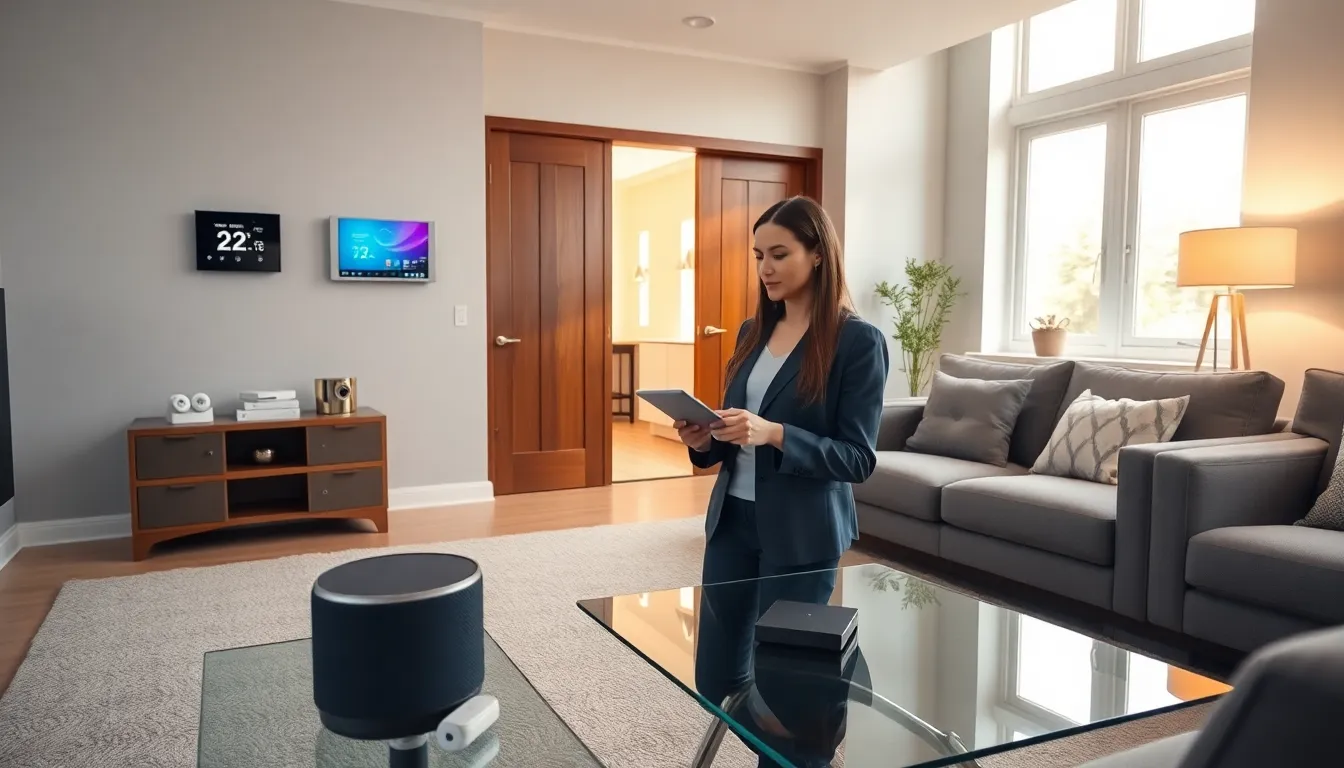
Home automation refers to the technology that enables the control of household devices from a centralized interface, whether that’s a smartphone, tablet, or voice assistant. It encompasses a range of devices like smart lighting, thermostats, locks, and cameras. In essence, it’s a way to turn your average home into an intelligent, responsive space that connects seamlessly to meet your daily needs.
Benefits of Home Automation
The perks of embracing home automation go beyond mere convenience. First and foremost, it provides enhanced security: you can monitor your home remotely and receive alerts about suspicious activities. Also, automated systems offer energy efficiency, smart thermostats optimize heating and cooling, resulting in lower utility bills. Beyond cost savings, there’s the sheer delight of creating customizable scenarios, like a cozy movie night ambiance complete with dimmed lights and your favorite snacks popped just in time.
Components of Home Automation Systems
Key Hardware and Software Components
When it comes to establishing a home automation system, understanding its components is crucial. The hardware typically includes smart devices (think bulbs, locks, and cameras) and a central hub or controller that communicates between devices. On the software side, apps and platforms play a vital role in managing these devices, providing users with an interface to set schedules, monitor status, and receive notifications.
Types of Home Automation Protocols
Home automation relies on various communication protocols to ensure devices can talk to each other. Popular protocols include Wi-Fi, Zigbee, and Z-Wave. Wi-Fi enables direct internet connectivity, making it easy to control devices from anywhere, while Zigbee and Z-Wave create a mesh network to minimize interference and improve reliability. Understanding these protocols helps in choosing the right devices to achieve a cohesive automated environment.
Setting Up Your Home Automation Network
Choosing the Right Devices
Selecting the right devices for a home automation network requires thoughtfulness. Compatibility with existing systems is key, so it’s wise to check whether a device uses a common protocol like Zigbee or Z-Wave. Prioritize smart devices based on what makes your life easier, be it smart speakers, automated curtains, or security cameras.
Planning Your Network Infrastructure
An optimized home network infrastructure ensures devices work seamlessly together. Start by assessing your home layout and identifying locations for hubs and smart devices to minimize dead zones. Make use of a strong Wi-Fi router, and consider investing in a mesh network for larger spaces: this strategy enhances connectivity and stability.
Best Practices for Home Network Security
Securing Your Home Network
When setting up a network that controls smart devices, security must be a top priority. Simple actions such as changing the default passwords on all devices can save headaches later. Regularly update firmware to patch vulnerabilities and consider enabling two-factor authentication for added security.
Common Security Vulnerabilities
Just like any technology, home automation systems have vulnerabilities. Common ones include weak passwords, outdated firmware, and unsecured Wi-Fi networks. Using a guest network for smart devices can further isolate them from your main devices, minimizing risk.
Future Trends in Home Automation Networking
Emerging Technologies
The landscape of home automation is constantly evolving. Emerging technologies such as artificial intelligence and machine learning are set to revolutionize how devices interact and respond to user behavior. Imagine devices that learn from your routines and adjust accordingly without you lifting a finger.
Integration with Smart City Infrastructure
Looking ahead, the integration of home automation systems with smart city infrastructures is promising. This synergy can lead to improved energy consumption patterns, public safety, and overall convenience. Homeowners can expect their smart systems to communicate with city services for optimized resources and enhanced living experiences.


