

Ever tried setting up your home network only to end up tangled in a mess of cables, confusion, and a growing realization that maybe you should have called an expert? Join the club. Home networking installation services are here to save the day and transform your Wi-Fi jungle into a streamlined oasis. Whether you’re streaming the latest series, gaming online, or working from home, a solid network is as crucial as your morning coffee. So, let’s jump into the world of home networking and find out why professional installation is the superhero your home deserves.
Understanding Home Networking Basics
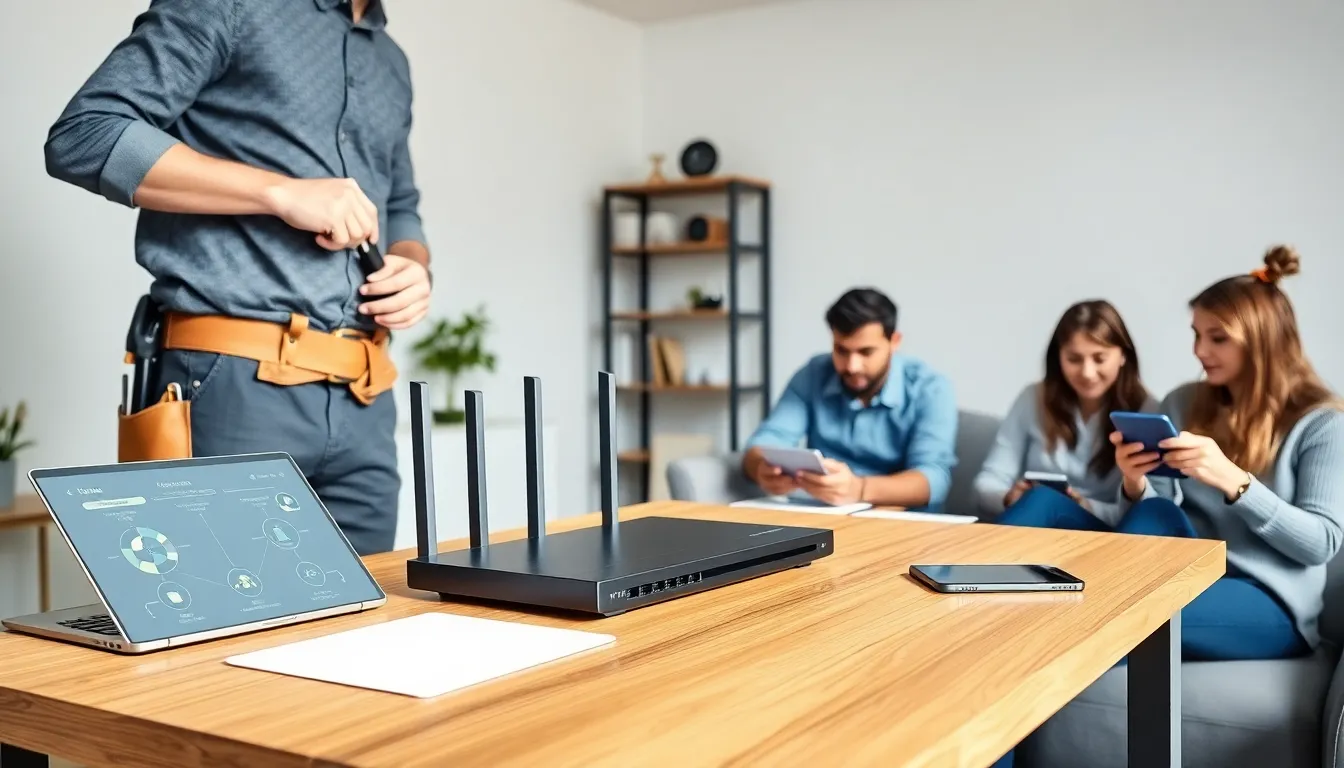
To kick things off, home networking is all about connecting multiple devices within your household so they can communicate with each other and access the internet. Think of it as the digital backbone that links your phones, computers, smart TVs, and even your refrigerator if it’s on the techy side. A robust home network allows everyone to surf the web, stream high-definition videos, and share files without slowing down.
Understanding the basics is crucial. A home network usually consists of two main components: a router and a modem. The modem connects to your Internet Service Provider (ISP) and provides internet access, while the router distributes that access throughout your home, enabling all your devices to go online. Once you have these two set up, the magic truly begins.
Types of Home Networking Technologies
When it comes to home networking technologies, you have several options to choose from, each with its own perks. Here are the main players in the field:
Ethernet Networking
Ethernet is the classic choice, utilizing physical cables to connect devices. It offers reliable performance and is less susceptible to interference. If your home isn’t wired, but, it might require a bit of extra effort.
Wi-Fi Networking
Wi-Fi is the go-to option for wireless networking. With different standards (like 802.11n, 802.11ac, and the latest 802.11ax), you can find a Wi-Fi solution that suits your needs for speed and range. Wi-Fi provides the flexibility to connect devices without wires cluttering your home.
Powerline Networking
This nifty technology uses your existing electrical wiring to create a network. Ideal for homes where Wi-Fi signals struggle to reach, powerline adapters can help extend the network without running new cables.
Mesh Networking
Mesh systems are becoming increasingly popular, especially in larger homes. They comprise multiple nodes that work together to blanket your entire space in Wi-Fi coverage, eliminating dead zones and delivering consistent signal strength.
Benefits of Professional Installation Services
Why should one seriously consider professional installation services? The advantages are numerous and can save you headaches further down the line.
Expertise
Professional installers know what they are doing. They have the training and experience to assess your home’s unique layout, ensuring that your network is optimized for speed and reliability.
Time-Saving
Setting up a home network can be time-consuming, especially if you’re trying to troubleshoot connectivity issues. Leave it to the pros, and reclaim those hours for something more enjoyable.
Future-Proofing
Technologies change, and a professional can help ensure that your home network can easily adapt. By selecting the right equipment today, you can stay ahead of future demands.
Steps Involved in Home Networking Installation
Interested in what the installation process might entail? Here’s a step-by-step look:
- Assessment: The technician will evaluate your home layout and figure out your specific needs.
- Planning: Based on the assessment, they will devise a plan that covers the best equipment options, configurations, and potential cable runs.
- Installation: This involves physically setting up the router, connecting it to the modem, and wiring any necessary Ethernet cables.
- Configuration: Setting up security protocols, naming your network, and ensuring all devices can connect.
- Testing & Troubleshooting: Finally, the tech will test the network’s performance, troubleshoot any problems, and ensure everything runs smoothly before wrapping up.
Common Challenges in Home Networking Setup
Even with a pro, things can occasionally go sideways. Some common challenges include:
Signal Interference
Walls, appliances, and even neighboring networks can disrupt your signal. Poor placement of the router can exacerbate this issue.
Device Compatibility
Not every gadget plays nicely together. Older devices might not support newer network standards, causing connectivity hiccups.
Overloaded Networks
With everyone streaming, gaming, or working from home, networks can slow down under heavy loads, highlighting the importance of a robust setup.
Tips for Choosing the Right Service Provider
Selecting the right service provider can feel daunting, but a few tips can streamline the process:
- Check Credentials: Look for certified professionals with positive reviews or testimonials.
- Ask About Experience: A provider with extensive experience in home networking will be more adept at handling unique challenges.
- Inquire About Support: Post-installation support is crucial. Make sure the provider will be available for future questions or concerns.
- Request an Estimate: Understand the costs upfront to avoid surprises and ensure it fits your budget.


