

Ever wondered why MRI tech schools aren’t just instant ticket dispensers? Maybe it’s because the world of magnetic resonance imaging requires more than just a love for science and a steady hand. In an ever-evolving field of healthcare, balancing training length with knowledge depth can feel like trying to fit a square peg in a round hole. Get ready to investigate into the fascinating journey of how long it takes to become an MRI technician, where learning curves meet career opportunities.
Understanding MRI Technology Education
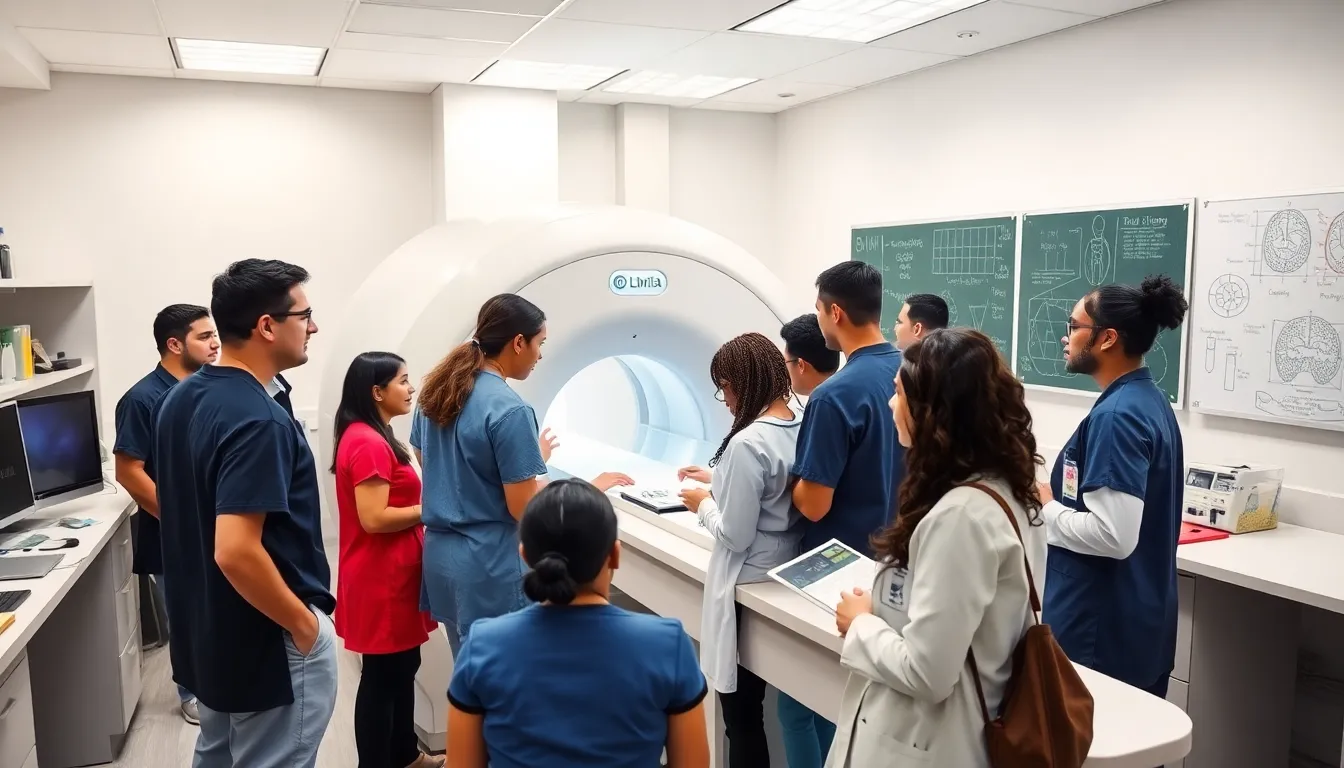
MRI technology is a crucial component of modern healthcare, providing detailed images of the human body without the use of ionizing radiation. Understanding this technology requires a solid educational foundation. MRI tech students spend time exploring physics, anatomy, and patient care, ensuring they’re well-equipped to operate sophisticated imaging equipment safely and effectively. This education connects theoretical knowledge with practical skills, which is why schools focus not only on classroom learning but also on hands-on training.
No one dives into the world of MRIs without a good grasp of the underlying science. So, the more profound the understanding, the longer the educational commitment, making this a worthy pursuit for those interested.
Types of MRI Tech Programs
There are several pathways to becoming an MRI technician, each with varying lengths and structures. Here are the most common types of MRI tech programs:
- Certificate Programs: These typically take about 12 to 18 months to complete, making them ideal for individuals looking for a quick entry into the field.
- Associate Degree Programs: Generally lasting two years, these include a broader curriculum covering not just MRI but also other imaging modalities.
- Bachelor’s Degree Programs: Often taking four years, these programs provide an extensive education, including advanced courses in imaging technology and patient management.
Each program type presents advantages and drawbacks, so prospective students should weigh their options according to their career goals.
Typical Duration of MRI Tech Programs
When it comes to the exact duration of MRI tech programs, it’s straightforward, well, kind of. For certificate programs, most students can expect to spend around 12 to 18 months. On the other hand, associate degrees entail a commitment of about two years. For those aiming for more advanced positions in the field, four-year bachelor’s degrees are a comprehensive option.
During this time, students will participate in coursework that not only teaches the technical skills needed but also includes clinical rotations where real patient interaction happens. This hands-on approach ensures that by graduation, they are ready to face challenges head-on.
Factors Affecting Program Length
Several factors can influence the length of MRI tech programs, including:
- Program Structure: Each school has different curriculum designs, which may speed up or extend the program duration.
- Student Background: Individuals with prior training in radiology may have the option to complete their studies more quickly.
- Clinical Hours Requirement: Many programs mandate a fixed number of clinical hours, which can affect completion times based on students’ availability and scheduling.
- Full-Time vs Part-Time Study: Balancing jobs or other obligations can push a student onto a part-time pathway, lengthening the overall duration.
Understanding these factors helps prospective students to make informed choices about their educational plans.
Post-Completion Opportunities
Graduating from an MRI tech program opens doors to a plethora of opportunities. Many students enter directly into roles as MRI technologists, joining hospitals, imaging centers, or clinics. But, education doesn’t stop at graduation. Post-completion, they may choose to specialize further, pursuing certifications in areas like MRI safety or advanced imaging techniques.
Also, technologists often find themselves in high demand. With the increasing reliance on MRIs for diagnostics, many healthcare facilities seek well-trained professionals. This creates ample room for career advancement and typically attractive salary prospects.


